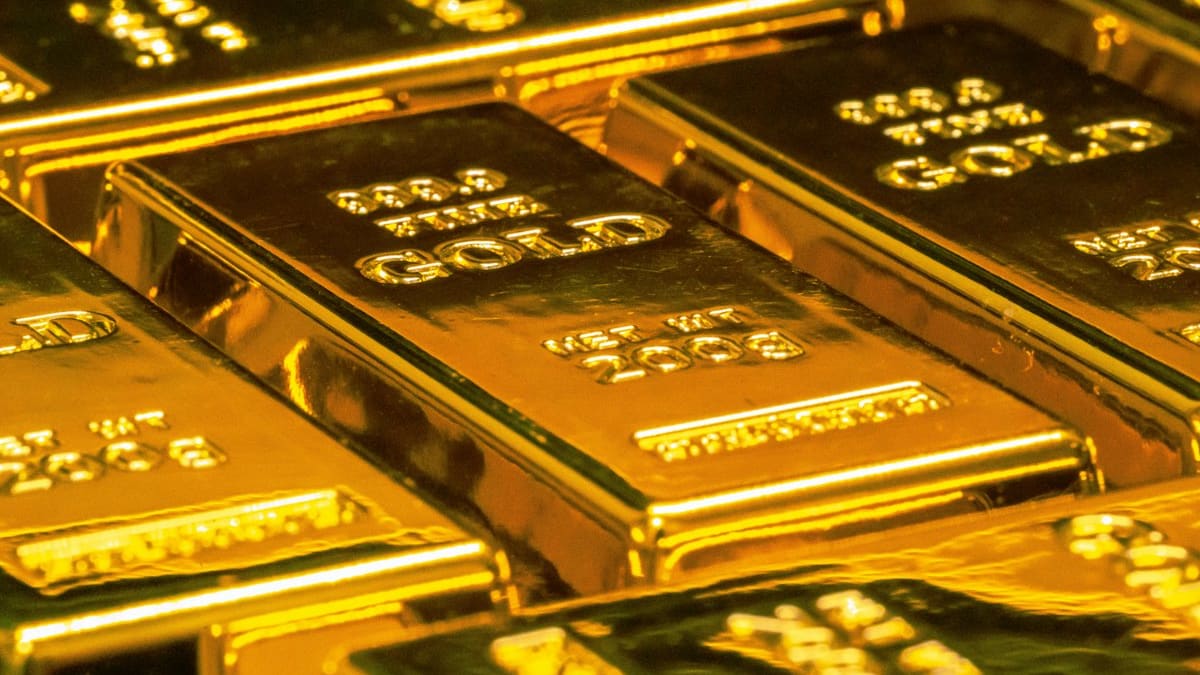
Gold's best and worst buying days in August: the difference was ₹19,970 on 10 grams
If you had bought 10 grams of gold on the cheapest day of August 2026, the price would have been nearly ₹20,000 lower than on the month's most expensive day.
That is not a prediction. It is what the recorded prices show.
According to TodayBhav's historical readings, the 24K gold rate reached a low of ₹14,400 per gram on 4 August and a high of ₹16,397 per gram on 24 August.
The difference was ₹1,997 per gram.
For a 10-gram purchase, that becomes ₹19,970.
August's gold price range
Here is what the month's recorded 24K gold prices showed:
| Measure | 24K gold rate |
|---|---|
| Lowest recorded rate | ₹14,400/g |
| Highest recorded rate | ₹16,397/g |
| Difference per gram | ₹1,997 |
| Difference per 10 grams | ₹19,970 |
| Opening rate | ₹14,427/g |
| Closing rate | ₹15,677/g |
| Change from opening to closing | +8.7% |
These are TodayBhav's historical readings for August 2026. The rates describe that month, not today's live price.
What would the same amount of gold have cost?
The difference becomes easier to understand when you look at different purchase sizes.
| Quantity | At ₹14,400/g | At ₹16,397/g | Difference |
|---|---|---|---|
| 1 gram | ₹14,400 | ₹16,397 | ₹1,997 |
| 5 grams | ₹72,000 | ₹81,985 | ₹9,985 |
| 8 grams | ₹1,15,200 | ₹1,31,176 | ₹15,976 |
| 10 grams | ₹1,44,000 | ₹1,63,970 | ₹19,970 |
The calculation is straightforward:
Price difference = (Highest rate − Lowest rate) × weight
For 10 grams:
(₹16,397 − ₹14,400) × 10 = ₹19,970
This is the difference in the basic value of the gold, before jewellery-making charges and applicable taxes.
But gold also ended August higher
The monthly low-to-high gap is only part of the story.
Gold began August at ₹14,427 per gram and ended at ₹15,677 per gram.
That is an increase of ₹1,250 per gram, or approximately 8.7%.
For 10 grams, the difference between the opening and closing rates was ₹12,500.
Notice the distinction:
- Opening versus closing: what changed between the start and end of the month.
- Monthly low versus high: the full range between the cheapest and most expensive recorded rates.
- Your purchase price: the rate available on the day you actually bought gold.
These are three different measurements.
A monthly gain does not mean prices rose every day. And the full low-to-high range does not mean every buyer could have captured the entire difference.
Could you have saved ₹19,970 by waiting?
Only if you knew the future.
The lowest recorded price was on 4 August. The highest was on 24 August.
After the month ended, it became easy to identify those dates. A buyer making a decision on 1 August did not know in advance which day would turn out to be the low.
Waiting can work in some periods and backfire in others.
If gold rises while you wait, the eventual purchase can cost more. If it falls, waiting may help. The direction is uncertain.
That is why a historical low is useful information, but not proof that a buyer could reliably identify the next low.
The price can move against you quickly
August's recorded range also shows why a single quoted rate cannot explain the whole month.
The monthly high was recorded on 24 August, but the closing rate for the month was ₹15,677 per gram — below that high.
A person buying near the peak would have paid considerably more than someone buying near the low.
That does not mean the buyer who purchased near the high made a mistake. They may have had a wedding, a gift or another fixed deadline.
The practical lesson is that purchase timing can affect cost, but the right decision also depends on when the gold is needed.
What if you are buying jewellery?
The numbers above describe the underlying gold value, not the complete jewellery bill.
A finished jewellery purchase may include:
- The value of the gold
- Making charges
- Stone or other material charges, where applicable
- Applicable taxes
Two customers buying 10 grams of jewellery can therefore receive different final bills even if the underlying gold rate is similar.
For a fair comparison, check the purity, net gold weight, quoted rate, making charges and final invoice.
Should you wait for the lowest gold price?
There is no reliable way to know in advance which day will be the lowest.
If your purchase date is flexible, tracking prices over time can help you understand the range and avoid making a decision based on one day's headline.
If you need gold for a fixed occasion, consider the deadline as well as the rate. Splitting a planned purchase into smaller parts may reduce the risk of buying the entire quantity on one particular day, but it cannot guarantee a lower average price.
Do not confuse a historical pattern with a promise about the future.
How TodayBhav measures the difference
TodayBhav records gold prices over time, which makes it possible to compare:
- The opening and closing rates
- The highest and lowest recorded prices
- The rupee and percentage change
- The effect of a price difference on different purchase weights
This is more useful than looking at a single rate without any context.
You can also compare this monthly range with our six-month analysis to see how a shorter period fits into a longer stretch of price movements.
The takeaway
August 2026's recorded 24K gold rate ranged from ₹14,400 to ₹16,397 per gram.
That created a difference of ₹19,970 on 10 grams between the month's lowest and highest recorded rates.
But the lowest price is only obvious after the fact.
Historical data helps you understand the risks and the range of prices. It cannot tell you with certainty which day will be cheapest next month.
Related TodayBhav articles
- 180 days of gold prices: it fell more often than it rose, and still ended up
- Gold, silver and fuel rates in August 2026: the month in numbers
- Silver is cheaper than gold. It is not calmer — we measured 180 days
- Does gold cost the same in every Indian city? We measured 180 days
Historical prices are from TodayBhav's August 2026 readings. Past price movements do not predict future prices. This article is for informational purposes and is not investment advice.